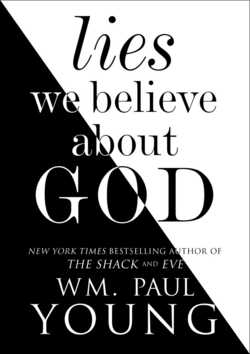
 WM. Paul Young, Lies We Believe About God, New York: Atria Books, 2017, 273 pp. $13.48
Lies We Believe About God is the latest book from the author of The Shack, WM. Paul Young. The author originally penned The Shack at the request of his wife as a Christmas gift to his six children. First published in 2007, this book has sold over 20 million copies and was recently unveiled as a feature film.
The Shack struck a central chord in people, many of whom confess that the storyline helped them overcome personal pain and tragedy, what the author refers to as, the Great Sadness. Wes Yoder, who endorses The Shack summarizes the ideas in this story. He writes, “The Shack is a beautiful story of how God comes to find us in the midst of our sorrows, trapped by disappointments, betrayed by our own presumptions.” Eugene Peterson adds, “This book has the potential to do for our generation what John Bunyan’s Pilgrim’s Progress did for his. It’s that good.”
But many reviewers of The Shack were less sympathetic. In the minds of some, the nature of God was compromised and the boundaries of orthodoxy were broached. But since The Shack is a novel, the line between fact and fiction became blurred and the theological intentions of the author were difficult to discern.
Young’s most recent offering, Lies We Believe About God, puts to rest any speculation about his views of God and Christian theology. The truly impressive feature about Young’s most recent offering is its transparency and honesty. The author presents twenty-eight “lies we believe about God” in terms that are unmistakable. Readers will no longer be able to sweep the theological statements in Young’s previous novels under the carpet. His views concerning God are set forth in plain terms, giving readers a better understanding of what was proposed in his previous novels.
The question for discerning readers to ask is whether or not Young’s views measure up to the scrutiny of God’s Word. Three critical areas of concern surface in the book, Lies We Believe About God.
A Flawed View of God
It is a great irony that a book which sets out to challenge the so-called “lies we believe about God,” does in fact, promote views of God that fail to match the biblical record. First, Young promotes a soft view of God. Specifically, he argues that God is not in control.
Instead of accepting God’s will of decree, which is settled in eternity past, the author questions God’s sovereign control: “Does God have a wonderful plan for our lives? Does God sit and draw up a perfect will for you and me on some cosmic drafting table, a perfect plan that requires a perfect response? If God then left to react to our stupidity or deafness or blindness or inability, as we constantly violate perfection through our own presumption?” John, one of the characters in Young’s novel, Eve concurs: “When it comes to plans and purposes, God is not a Draftsman but an Artist, and God will not be God apart from us.”
Instead of accepting a sovereign God who ordains everything that comes to pass, Young posits a God who reigns by love and relationship alone. “The sovereignty of God is not about deterministic control … Love and relationship trump control every time. Forced love is no love at all,” writes the author.
Yet, Scripture contradicts what Young would have us believe. The Bible presents a God who exercises control in creation, providence, and miracles. Proverbs 21:1 illustrates the control of God in vivid terms: “The king’s heart is a stream of water in the hand of the LORD; he turns it wherever he will.” In Ezra 6:22, the LORD “turned the heart of the king of Assyria.” In Ecclesiastes 7:13-14, God’s providential control over all things is clearly illustrated: “Consider the work of God: who can make straight what he has made crooked? In the day of prosperity be joyful, and in the day of adversity consider: God has made the one as well as the other, so that man may not find out anything that will be after him.” And Ephesians 1:11 shows us the overarching purposes of our God: “In him we have obtained an inheritance, having been predestined according to the purpose of him who works all things according to the counsel of his will.” Indeed, God exercises sovereign control over all things.
The Westminster Catechism argues, “The decrees of God are his eternal purpose, according to the counsel of his will, whereby for his own glory he hath foreordained whatsoever comes to pass.” That is, God is the sovereign king who does as he pleases (Ps. 115:3). God reigns (Ps. 99:1-5). His control knows no boundaries. God acts in order to advance his glory (Exod. 14:4). And we rest in the infinite wisdom of God’s plan, knowing that his purposes can never be thwarted (Isa. 46:9-10; Job 42:2).
Charles Hodge has a sharp disagreement with the soft view of God presented in Lies We Believe About God. Hodge writes,
“This is the end which our Lord proposed to himself. He did everything for the glory of God; and for this end, all his followers are required to live and act … If we make the good of the creature the ultimate object of all God’s works, then we subordinate God to the creature, and endless confusion and unavoidable error are the consequence. It is characteristic of the Bible that it places God first, and the good of the creation second.”
The errors which result from promoting a God who is not fully in control, as Hodge maintains, will have serious consequences and have tragic consequences on one’s perception of God.
Second, Young presents a God who submits to people. The notion that God submits to the creature emerges in The Shack as well. The Holy Spirit figure, Sarayu, tells Mack, “We have limited ourselves out of respect for you … Relationships are never about power, and one way to avoid the will to power is to choose to limit oneself.” And Papa sympathetically responds to Mack who is reluctant to demonstrate emotion: “That’s okay, we’ll do things on your terms and time.”
The Jesus of The Shack confesses to Mack, “Submission is not about authority and it is not obedience; it is all about relationships of love and respect. In fact, we are submitted to you in the same way.”
In Young’s novel, Eve, Adonai says to Adam, “Our Love will not withhold from you the consequences of your choices. We honor and respect you, so We consent and submit to you” (emphasis mine). Later in the story, Adonai makes a similar remark to Lily: “Look up and into My face. I am here and will never leave you. In any dance you sometimes lead, but always both submit. So now, dear Lilly, you must choose, and I submit to you.”
In Lies We Believe About God, the author maintains that the word control is not a part of God’s vocabulary: “God submits,” writes Young “rather than controls and joins us in the resulting mess of relationship, to participate in co-creating the possibility of life, even in the face of death.”
Yet, we never find God submitting to the creature in Scripture. To the contrary, the creature submits to the Creator. Job learned a quick lesson when he tried to turn the tables on God. He learned the importance of submitting to God, not the other way around (Job 38-41).
John Frame helps us understand the importance of God’s authority and the proper response of the creature: “The first thing, and in one sense the only thing, we need to know about God is that he is Lord …This is a confession of lordship: that Yahweh, the Lord, is the one and only true God, and that therefore he deserves all of our love and allegiance.”
The soft view of God who submits to the creature must be rejected as it fails to stand the test of biblical faithfulness.
A Fallacious View of Humanity
Young rightly holds that humans are created by God in the imago Dei. Since humans are created in God’s image, they have inherent worth and significance. The author should be commended for highlighting this important aspect of anthropology, which admittedly, is neglected by some Christians.
Additionally, the author believes that humans are sinners. However, sin is redefined and fails to measure up to the biblical test. “Blind, not depraved, is our condition,” writes Young. He continues, “Sin, then, is anything that negates or diminishes or misrepresents the truth of who you are, no matter how pretty or ugly that is.” Such a view find no biblical support and is a foreign concept in Christian theology.
Young acknowledges that sin involves “missing the mark.” But he adds, “The mark is not perfect moral behavior. The ‘mark’ is the Truth of your being.” But Young goes one step further in his redefinition of sin: “And what does the truth of your being look like? God. You are made in the image of God, and the truth of your being looks like God.”
Now that Young has redefined sin, he is in a position to pose an additional question: Does sin separate us from God? Young argues that the notion of sinners being separated from God is a lie: “A lot of ‘my people’ will believe that the following statement is in the Bible, but it isn’t: ’You have sinned, and you are separated from God.’” The biblical proof he offers is Romans 8:38-39, that is, “nothing can separate us from the love of God.” Such an explanation, however, fails to consider the context of Romans 8 which is a clear promise to the elect of God, not the entirety of the human race.
Two responses are in order. First, Young’s reformulation of sin is inadequate as the Bible clearly teaches that all people are sinners by nature and choice. John MacArthur sheds light on the real meaning of sin:
“Sin must be understood from a theocentric or God-centered standpoint. At its core, sin is a violation of the Creator-creature relationship. Man only exists because God made him, and man is in every sense obligated to serve his Creator. Sin causes man to assume the role of God and to assert autonomy for himself apart from the Creator. The most all-encompassing view of sin’s mainspring, therefore, is the demand for autonomy.”
When sin is redefined from a man-centered viewpoint, this only strengthens the resolve of his quest for autonomy. Yet this is exactly what we find in Young’s version of sin – a Creator catering to the needs of the creature and satisfying his autonomous bent.
The Scriptures paint a portrait of sinful creatures which is undeniable and devastating: “The Lord saw that the wickedness of man was great in the earth, and that every intention of the thoughts of his heart was only evil continually.” (Gen. 6:5, ESV) Indeed, “The heart is deceitful above all things, and desperately sick; who can understand it?” (Jer. 17:9, ESV) Edwin Palmer writes, “Total depravity means that natural man is never able to do any good that is fundamentally pleasing to God, and, in fact, does evil all the time.” The biblical evidence for total depravity is overwhelming and conclusive (Ps. 51:5; Isa. 53:6; 64:6; Eph. 2:1-3; Rom. 3:23; 5:12).
Second, the Bible clearly teaches that sinners are separated from God. Apart from grace, sinners are without hope and are utterly cut off and separated from God. Isaiah 59:2 says, “But your iniquities have made a separation between you and your God, and your sins have hidden his face from you so that he does not hear.” In his letter to the Ephesians, Paul demonstrates that sinners are separated from Christ. He refers to them as “having no hope and without God in the world” (Eph. 2:12). Our only hope, then, is found in Christ alone who came to forgive us and reconcile us to a holy God (Eph. 2:13-22).
A Faulty View of Salvation
Two major problems can be summarized here. First, Young promotes universal reconciliation. In The Shack, Papa answers Mack’s questions concerning the efficacy of the cross. Papa says, “Honey, you asked me what Jesus accomplished on the cross; so now listen to me carefully: through his death and resurrection, I am now fully reconciled to the world.” Mack asks, “The whole world? You mean those who believe in you, right?” Papa answers resolutely, “The whole world, Mack. All I am telling you is that reconciliation is a two-way street, and I have done my part, totally, completely, finally.”
In a stunning admission, Young says,
“The Good News is not that Jesus opened up the possibility of salvation and you have been invited to receive Jesus into your life. The Gospel is that Jesus has already included you into His life, into His relationship with God the Father, and into His anointing in the Holy Spirit … God has acted decisively and universally for all humankind.”
If there is any question about the universalism here, the author removes any cause for doubt: “Are you suggesting that everyone is saved? That you believe in universal salvation? That is exactly what I am saying?” He continues, “Here’s the truth: every person who has ever been conceived was included in the death, burial, and resurrection, and ascension of Jesus. When Jesus was lifted up, God ‘dragged’ all human beings to Himself.
The Bible paints a very different portrait. The Bible speaks of people apart from grace who are enemies of God (Col. 1:21; Rom. 5:10) and children of wrath (Eph. 2:1-3). Only the redeemed are reconciled to God.
Appealing to passages like John 12:32 is insufficient and fails to build the case for universal reconciliation. Jesus says, “And I, when I am lifted up from the earth, will draw all people to myself.” All people must either mean “all without exception” or “all without distinction.” As we compare Scripture with Scripture, clearly the later is in view.
Jesus proclaims, “Enter by the narrow gate. For the gate is wide and the way is easy that leads to destruction, and those who enter it are many. For the gate is narrow and the way is hard that leads to life, and those who find it are few” (Matt. 7:13-14). ). Jesus speaks of two trees, the healthy and the diseased. Speaking of the diseased tree, Jesus says, “Every tree that does not bear good fruit is cut down and thrown into the fire” (Matt. 7:19). Moreover, Jesus teaches about two kinds of houses, the one that is built on the rock and one that is built on the sand. “And everyone who hears these words of mine and does not do them will be like a foolish man who built his house on the sand. And the rain fell, and the floods came, and the winds blew and beat against that house, and it tell, and great was the fall of it” (Matt. 7:26-27). Indeed, every person who refuses to build his “house” on the rock and build his or her life on the promises of God; every person who rejects the Son and his work on the cross will endure an eternity of wrath (John 3:36; Rom. 2:8; 2 Thes. 1:9). “At the end of the day, there are only two ways – the way of the kingdom or the way of death.” Scripture is clear: not everyone will pursue the way of the kingdom. Universal reconciliation is a lie.
Second, Young argues that the cross was not God’s idea. The author poses the question, “Who originated the Cross?” Young’s answer is disturbing, to say the least: “If God did, then we worship a cosmic abuser, who in Divine wisdom created a means to torture human beings in the most painful and abhorrent manner … Better no god at all, than this one.” In a few words, the author not only repudiates the reality of God’s involvement in the cross of Christ; he casts aside penal substitutionary atonement.
The apostle Paul speaks of the power of the cross (1 Cor. 1:17-18), “making peace by the blood of his cross (Col. 1:20) and even boasts in the cross (Gal. 6:14). However, Young says, “Nothing not even the salvation of the entire cosmos, could ever justify a horrific torture device called a cross.”
When we contrast the Bible with Young’s view, we find that the cross was God’s idea after all. Two passages in the book of Acts show the sovereignty of God in salvation and demonstrate God’s involvement in the cross from start to finish:
“this Jesus, delivered up according to the definite plan and foreknowledge of God, you crucified and killed by the hands of lawless men. God raised him up, loosing the pangs of death, because it was not possible for him to be held by it.” (Acts 2:23–24, ESV)
“for truly in this city there were gathered together against your holy servant Jesus, whom you anointed, both Herod and Pontius Pilate, along with the Gentiles and the peoples of Israel, to do whatever your hand and your plan had predestined to take place.” (Acts 4:27–28, ESV)
The faulty view of salvation which is promoted in Lies We Believe About God is deeply troubling and must be rejected by discerning Christians.
Conclusion
Paul Young has shared openly and honestly about some of the hurts in his life. Pain and suffering, while inevitable in this life are regrettable realities. The dark night of the soul will likely affect most of us. And so we sympathize with Young and his Great Sadness and pray that God will minister in deep and abiding ways. But no amount of personal tragedy or loss can excuse the propagation of false views of God.
It is a great tragedy when an author writes a book that minimizes God or misrepresents God. A.W. Tozer helps us understand the importance of understanding God rightly: “Worship is pure or base as the worshipper entertains high or low thoughts of God.” How we think about God matters! For “there is nothing more important than knowing God.” Our view concerning his essence and attributes is not a mere academic debate among theologians. Our view of God affects how we approach him and how we worship him. Tozer continues, “For this reason the gravest question before the Church is always God himself, and the most portentous fact about any man is not what he at a given time may say or do, but what he in his deep heart conceives God to be like.”
“God does not lower his standards to accommodate us.” Therefore, our responsibility is to view God rightly, worship God rightly, and approach God rightly and reverently. Indeed, “What comes into our minds when we think about God is the most important thing about us.”
The chief problem in Lies We Believe About God is an undermining of biblical authority. It ultimately caters to the creature and encourages the autonomy that he craves. When the authority of the Bible is compromised the people of God always pay a price. It’s not too late to get unshackled. True freedom is found in submitting to Scripture, trusting and obeying Jesus Christ who loves sinners, and worshipping God in the way that he demands!
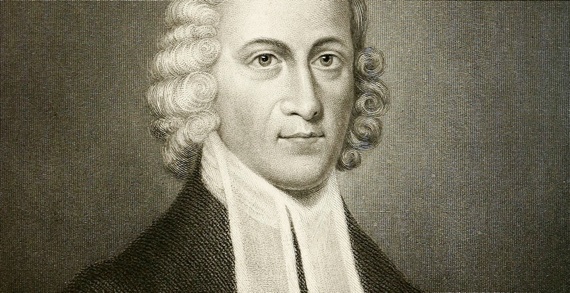 On September 28, 1752, Jonathan Edwards was invited to preach a sermon before the Presbyterian Synod of New York. His son-in-law, Aaron Burr (who had recently married his daughter Esther) was the president of the College of New Jersey and undoubtedly had an influence in the invitation that Edwards received.
 Tim Scott & Trey Gowdy, Unified Carol Stream: Tyndale, 2018, 220 pp. $16.50
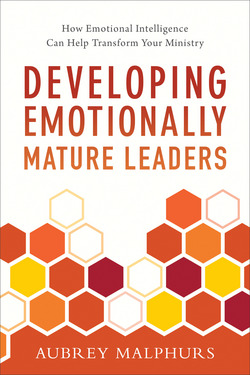 Aubrey Malphurs, Developing Emotionally Mature Leaders Grand Rapids: Baker Books, 2018 239 pp. $16.99
 Collin Hansen & Jeff Robinson, Ed. 15 Things Seminary Couldn’t Teach Me Wheaton: Crossway Books, 2018, 155 pp. $16.19
 Joel C. Rosenberg, The Kremlin Conspiracy. Carol Stream: Tyndale House Publishers, 2018, 466 pp. $18.29
 Veritas et Lux